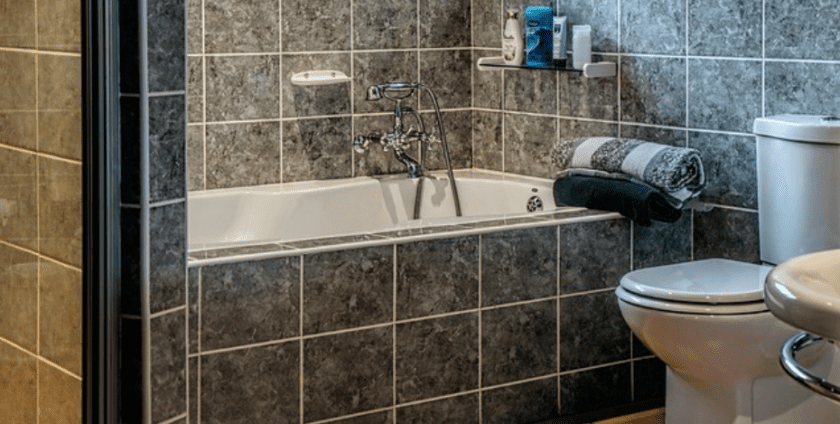
Older Irish homes often face hidden plumbing issues that affect water quality, pressure, heating efficiency, and overall reliability. From lead pipes and low pressure to drainage failures and outdated boilers, these problems require early identification and the right professional approach to prevent costly damage and ensure long-term performance.
Lead pipes
Lead pipes often appear in older Irish houses, especially in properties built before modern plumbing standards replaced them with safer materials. Many homeowners first notice issues through leaky pipes or changes in water quality.
Lead pipework can corrode internally, which weakens the structure and increases the likelihood of small, persistent leaks. These leaks may go unnoticed behind walls or under floors until visible damage appears.
Lead pipes often contribute to hot water loss because they lack proper insulation and degrade over time. A homeowner may find that hot water takes longer to reach taps or cools quickly during use, which affects daily comfort and increases energy usage. In more severe cases, deterioration leads to burst pipes, especially during colder months. A weakened pipe cannot withstand pressure changes.
A spiking water bill may indicate an undetected leak within the system. To avoid additional waste, homeowners should promptly inspect their plumbing if they observe an unexplained and sharp rise in water consumption. Regular plumbing maintenance helps identify early warning signs before major failures occur. A professional plumbing inspection can detect corrosion, pressure issues, or weak points in the system.
When issues appear, targeted pipe leak repair may provide a temporary solution, but it rarely solves the underlying problem with lead pipework. Full replacement with modern materials offers a safer and more reliable long-term fix.
Lead piping remains one of the most serious plumbing problems in older homes. A homeowner who replaces outdated pipework early will improve water safety, system efficiency, and overall reliability while avoiding repeated repairs.
If homeowners plan on a full plumbing update, they should hire a professional to ensure every aspect of the renovation is done according to best practices.
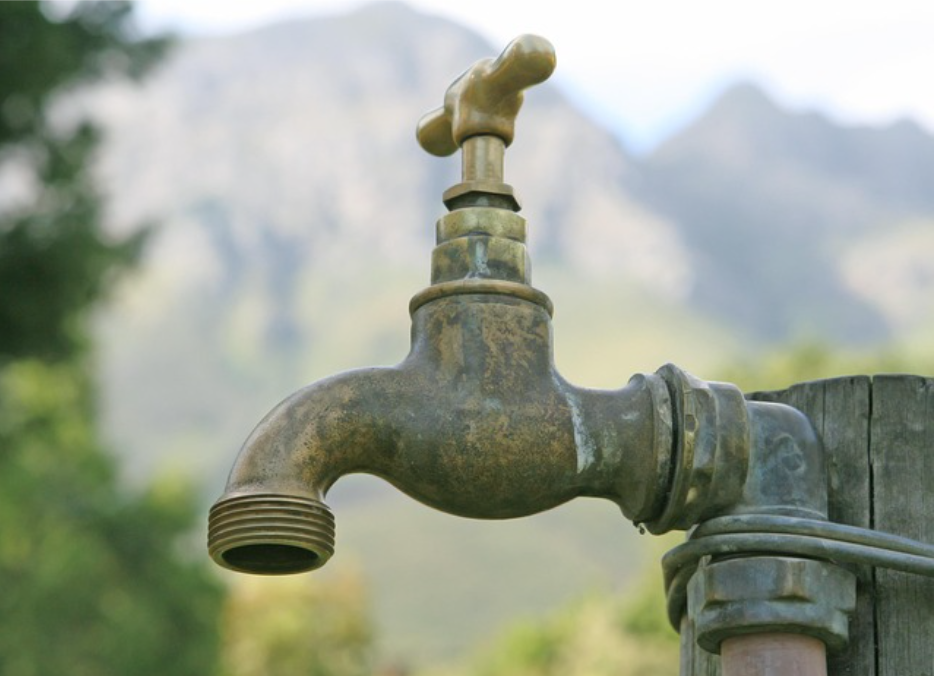
Image source: Pixabay.com
Low water pressure
Low water pressure often frustrates homeowners in older Irish properties because ageing systems restrict flow and reduce performance across the entire house. A homeowner may notice weak flow from taps, slow-filling baths, or showers that fail to maintain consistent pressure.
The most direct cause of low water pressure usually sits inside the pipework. Mineral buildup, corrosion, or partial blockages reduce the internal diameter of pipes, which limits flow. A contractor may inspect sections of the system to identify where pressure drops occur and whether replacement or cleaning is required.
Small leaks might seem unimportant, but cumulatively they can take away from a house’s water pressure:
- Faucet leaks may seem minor, yet they can signal worn components or pressure imbalance within the system. Over time, these small faults contribute to reduced efficiency and uneven water distribution across the property.
- Shower leaks behind walls or under trays can divert water away from the intended outlet, which lowers pressure at the fixture. Toilet systems also play a role. A running toilet continuously draws water from the supply, which reduces available pressure elsewhere in the house. Renovators often have to do a toilet repair to solve the issue.
- Outdoor faucet leaks can reduce overall system pressure if the connection remains active or damaged. A contractor should check external taps and isolate them if they are not in use to prevent unnecessary loss.
Pressure issues can also come from system imbalance. The phenomenon called “Water hammer” occurs when pressure surges through the pipes, often due to sudden valve closures. This condition creates noise and can damage joints and fittings over time, which leads to leaks and further pressure loss.
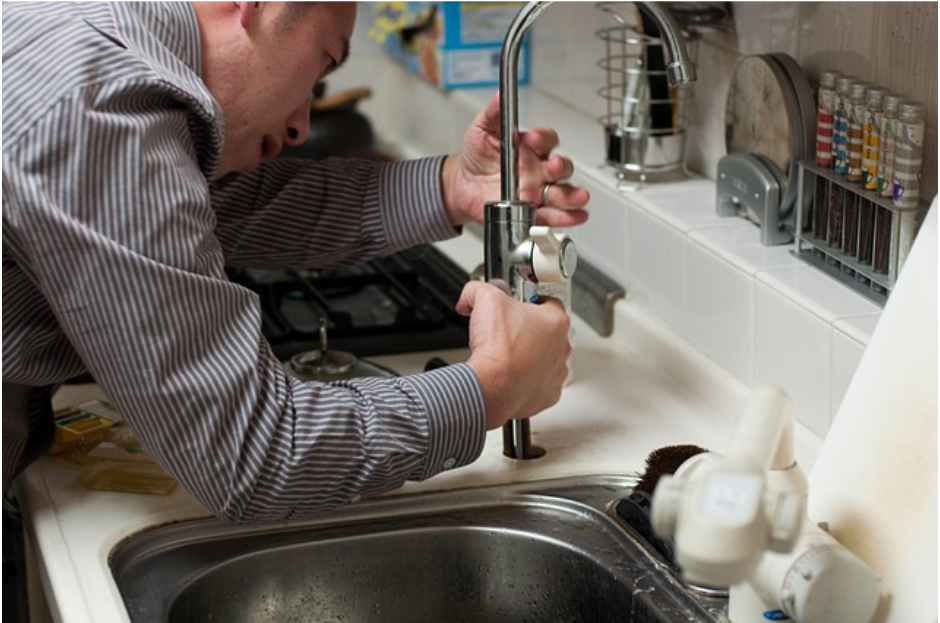
Image source: Pixabay.com
Outdated boilers
Outdated boilers often create reliability and efficiency issues in older Irish homes. Many systems operate beyond their intended lifespan, which reduces performance and increases the risk of sudden failure. A homeowner may notice inconsistent heating, longer wait times for hot water, or unusual noises coming from the unit.
Most water heater issues start gradually – a boiler may struggle to maintain temperature, cycle on and off frequently, or fail to deliver enough hot water during peak use. These signs usually indicate internal wear, sediment buildup, or declining component performance.
Breakdowns often happen without warning. A failing boiler can stop working during cold weather, which forces a homeowner to call for emergency plumbing services. In these situations, the priority shifts from efficiency to restoring basic functionality as quickly as possible.
A technician may carry out water heater repair by replacing valves, thermostats, or heating elements. These interventions can extend the life of the system, but they do not remove the underlying limitations of an ageing unit. Full change is often preferred.
Determining whether a repair or a full replacement is the more logical choice is a key responsibility for the contractor. An older boiler that requires frequent fixes will often cost more over time than installing a modern, energy-efficient system. Newer units provide better temperature control, improved efficiency, and more reliable performance.
By choosing to replace an aging boiler before it fails, homeowners can prevent sudden outages and decrease overall expenses. It is the contractor’s duty to provide an honest appraisal, supporting a choice that weighs current requirements against the goal of future system dependability.
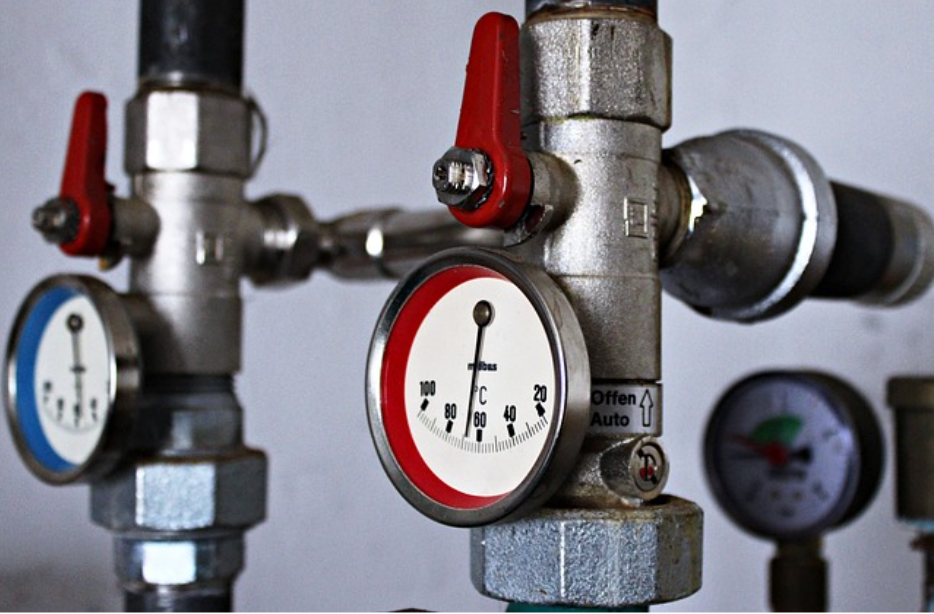
Image source: Pixabay.com
Poor drainage
Poor drainage often creates recurring issues in older Irish properties because ageing pipe systems struggle to handle modern usage. A homeowner may notice slow-draining sinks, standing water in showers, or unpleasant odours coming from drains. These signs usually indicate a blockage or restriction somewhere in the system.
Local Blockages and Everyday Causes
A clogged drain often forms from a buildup of grease, soap residue, or debris inside the pipes. Over time, this buildup narrows the passage and slows water flow. A contractor may inspect the line to determine whether the blockage sits close to the fixture or deeper within the system.
A clogged toilet can signal a more serious issue, especially when multiple fixtures drain slowly at the same time. This situation often points to a restriction further along the system rather than a single isolated blockage.
System Failures and External Factors
In properties with basements or lower ground levels, sump pump problems can worsen drainage performance. A failing pump cannot remove excess water effectively, which increases the risk of flooding during heavy rainfall or system backups.
More complex cases involve sewer blockages, where tree roots, pipe collapse, or heavy buildup restrict the main drainage line. These issues affect the entire property and require professional intervention to restore proper flow.
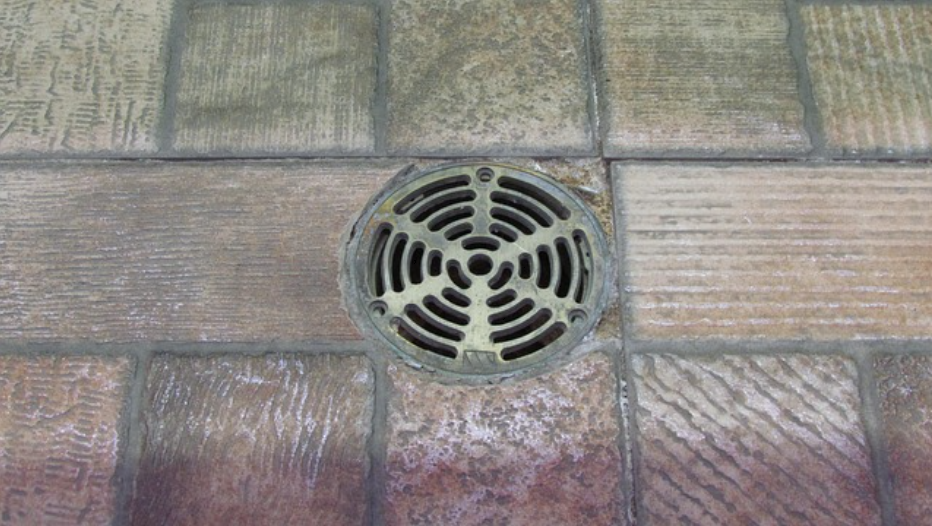
Image source: Pixabay.com
Maintenance and Prevention
Regular drain cleaning helps prevent buildup from turning into major blockages. A contractor can remove debris early and keep the system functioning efficiently, which reduces the likelihood of emergency situations.
If drainage issues remain unresolved, they can lead to significant consequences. Overflowing fixtures or backups may require water damage repair, especially when water reaches floors, walls, or structural elements. Quick action limits both damage and repair costs.
Tools and Practical Solutions
For minor issues, a drain snake can remove localized debris and restore flow. This tool works well for early-stage clogs, but deeper or more complex problems often require professional equipment and inspection.
Proactive management of drainage issues helps homeowners avoid more expensive repairs and prevents problems from worsening. By pinpointing the root cause, a professional can implement a precise fix that ensures long-term property protection and optimal system performance.
Cold spots
Cold spots often appear in older Irish homes because insulation gaps, poor airflow, or ageing construction methods allow certain areas to lose heat faster than others. A homeowner may notice that one room feels comfortable while another stays noticeably colder, even when the heating system runs consistently.
These cold areas often develop near external walls, corners, or above uninsulated floors. A contractor may find that insulation has degraded over time or was never installed properly in the first place. In some cases, air leaks around windows, doors, or floorboards allow cold air to enter and reduce the effectiveness of the heating system.
Pipes that run through poorly insulated areas face higher exposure to low temperatures. During winter, this increases the likelihood of frozen pipes, which can block water flow and eventually lead to bursts if the pressure builds inside the line.
A homeowner may first notice reduced water flow or no water at all in certain fixtures during cold weather. These signs often point to freezing within the system. A contractor must locate the affected section and restore temperature gradually to prevent damage.
To maintain uniform temperatures across the home, a contractor might enhance insulation in specific locations, close off air leaks, or modify how heat is distributed. Furthermore, wrapping insulation around pipes located in exposed areas minimizes the chance of freezing and safeguards the plumbing network.
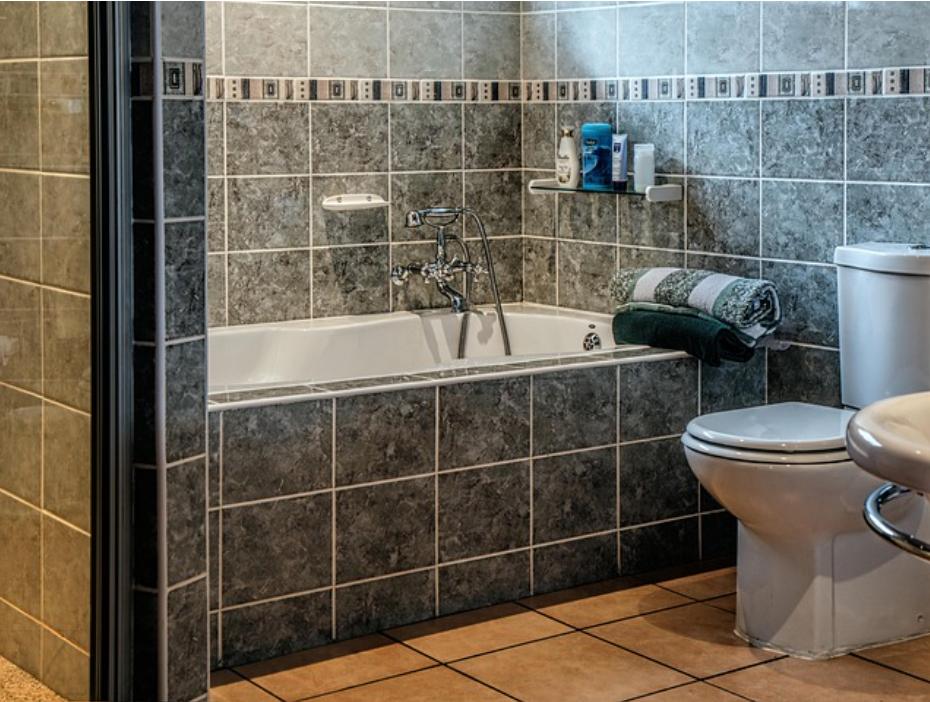
Image source: Pixabay.com
Frequently Asked Questions
Can lead pipes affect my water even if I don’t see leaks?
Yes, lead pipes can contaminate water internally without visible damage. A homeowner may drink water that looks clean but still contains dissolved lead particles due to corrosion inside the pipe. Because lead is odorless and tasteless when dissolved, these contaminants often go undetected without professional water testing, posing a hidden risk to residents of older Irish homes.
Why does my water pressure drop only at certain times of the day?
Pressure can drop when multiple fixtures run at the same time or when hidden leaks, such as a running toilet or outdoor tap, draw water from the system without being noticed.
Is it worth repairing an old boiler if it still works?
A working boiler can still operate inefficiently and cost more over time. Frequent minor repairs often signal that the system is near failure, which makes replacement a more reliable long-term decision. You have to estimate the price of repairs compared to buying a new boiler.
Can poor drainage in one fixture affect the whole house?
Yes, a blockage in the main drainage line can slow down or back up multiple fixtures at once, even if the issue first appears in a single sink or toilet.
Why do my pipes make noise when I turn off the tap?
This noise usually comes from pressure shock inside the system. The sudden stop of water flow creates a force that travels through the pipes, which can damage joints over time.
Can cold spots in my home actually damage my plumbing?
Yes, cold areas increase the risk of pipes freezing, especially in walls or under floors. Frozen pipes can block water flow and eventually burst if pressure builds inside them.