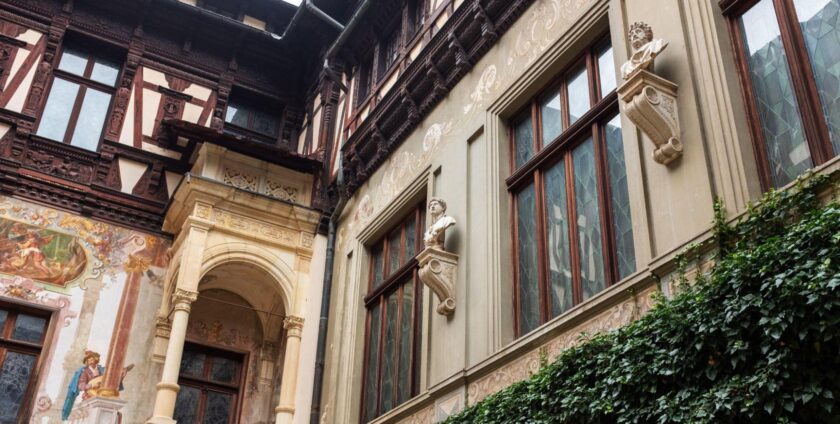
Flooring in period homes must balance historical character with structural performance. Materials that work best are breathable and compatible with traditional construction, such as timber or appropriate tiles.
Non-breathable or poorly fitted modern systems can trap moisture and damage the subfloor. The key is choosing flooring that respects the building’s original design while meeting modern comfort and durability requirements.
What Is a Period Home? (Irish Context)
In Ireland, a period home refers to a property built in an earlier historical era, typically Georgian, Victorian, Edwardian, or early 20th century.
These homes are valued for their age, and for the distinct personality of homes they represent. They often feature original architectural elements such as high ceilings, timber floors, decorative mouldings, and traditional layouts that differ from modern construction.
What sets period homes apart is the way materials and craftsmanship were used. Solid timber structures, lime-based plasters, and breathable construction methods were common. This means these homes behave differently when it comes to moisture, temperature, and renovation work. As a result, any upgrades, including flooring, must be carefully considered to maintain both performance and character.
When choosing finishes, homeowners often look for sophisticated flooring styles that complement the original features rather than compete with them. The goal is not to modernise the space at the expense of its identity, but to enhance it while ensuring durability and comfort.
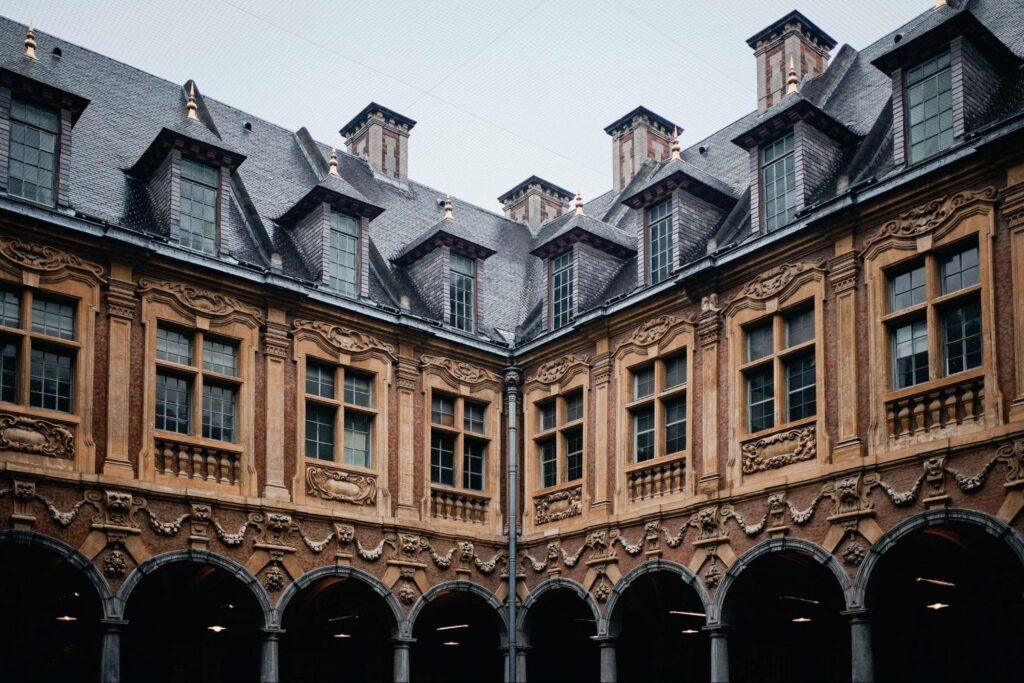
Image source: Freepik.com
Common Subfloor Issues in Older Irish Houses
One of the biggest challenges when upgrading flooring in period homes is not the visible surface, but the condition of the subfloor beneath it. Older Irish houses were built using traditional methods and materials, which often means the subfloor has aged, shifted, or been altered over time.
Addressing these issues is essential before introducing any new flooring, especially when aiming for historical accuracy in the flooring.
A common problem is uneven or sagging timber subfloors. Over decades, joists may weaken, shift, or settle, leading to dips and slopes across the floor. This can make it difficult to install modern finishes or recreate traditional looks such as intricate woodwork designs or geometric tile patterns, which rely on a stable and level base to maintain their visual impact.
Moisture is another major concern. Many older homes were built without modern damp-proof membranes, allowing ground moisture to rise into the structure. This can lead to rot in timber joists and floorboards, particularly the flooring for the kitchen, where humidity levels are naturally higher.
If moisture issues are not addressed, even the most carefully selected flooring materials can deteriorate over time.
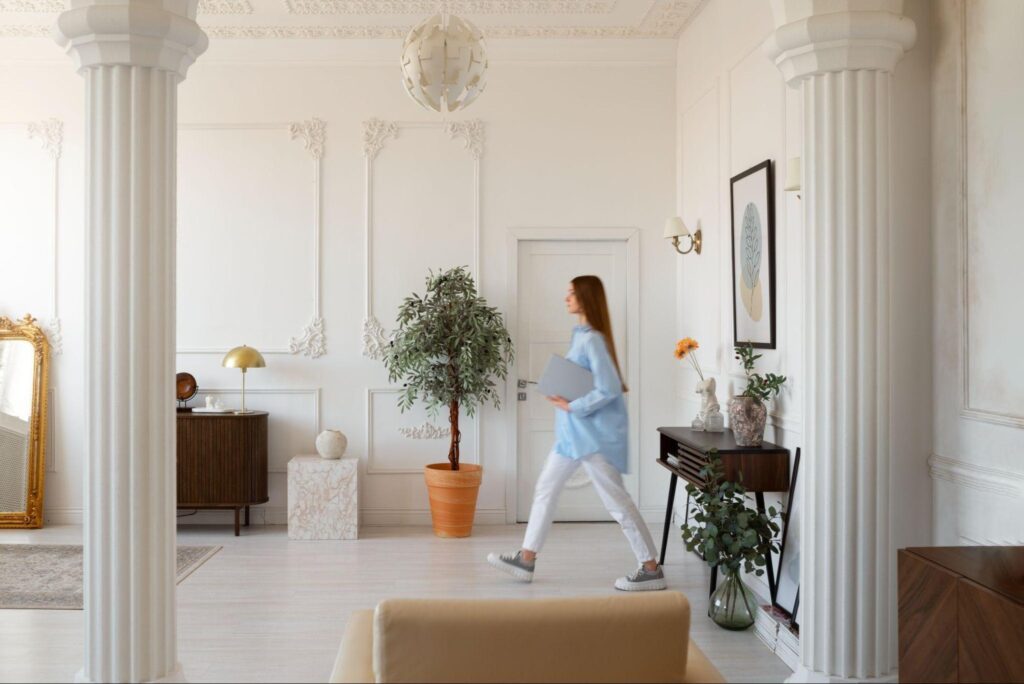
Image source: Freepik.com
In some properties, previous renovations may have introduced incompatible materials. For example, concrete layers may have been added over traditional breathable floors, trapping moisture beneath. This can affect both the structural integrity of the subfloor and the performance of surface finishes.
So before you get to the famous ceramic black and white tiles or other traditional materials used to achieve an authentic Victorian design you need a solid base.
Another challenge is maintaining visual harmony across the space. Period homes often feature different flooring styles in different rooms, from timber boards to tiled hallways. When subfloors vary in height or condition, achieving proper colour coordination in flooring and smooth transitions between rooms can become difficult without additional structural work.
The use of decorative area rugs in period homes often hides underlying issues such as unevenness or worn boards. While rugs can enhance the aesthetic, they should not be relied upon to mask structural problems that need proper repair.
Before installing any new flooring, it is essential to assess and prepare the subfloor properly. This ensures that both modern upgrades and traditional finishes perform as intended while preserving the character and longevity of the home.
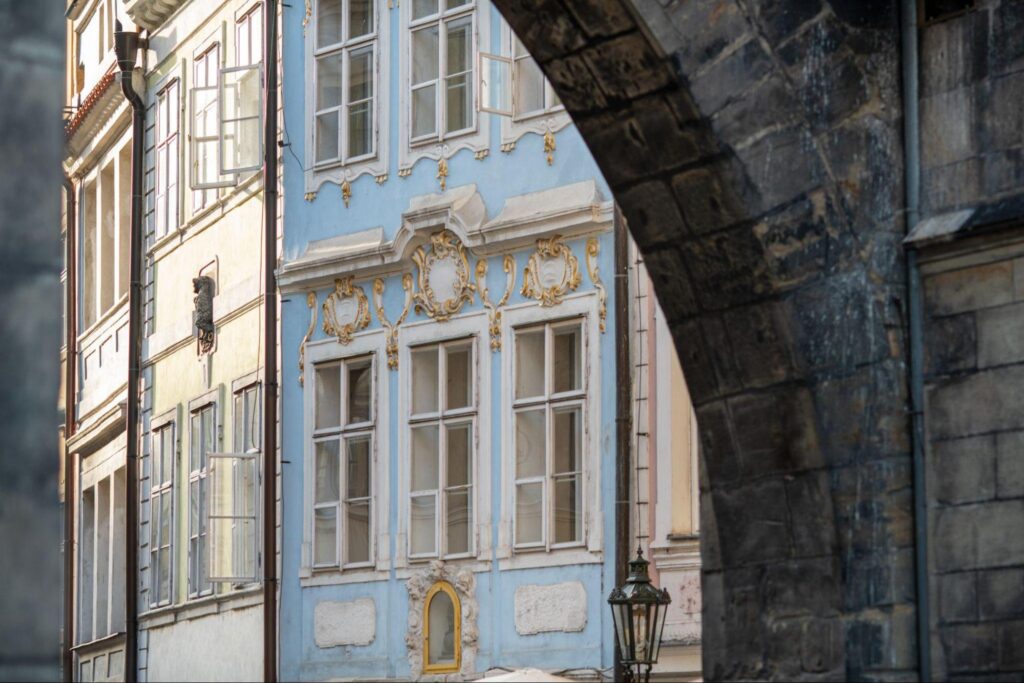
Image source: Freepik.com
Best Flooring Options for Period Homes
Choosing the right flooring for a period property requires balancing aesthetics, durability, and compatibility with the building’s structure. The goal is to preserve the character of the home while ensuring practical performance for modern living.
Below are some of the most effective and elegant flooring choices for achieving both style and functionality.
Hardwood Flooring
Hardwood flooring remains one of the most authentic and widely recommended options when considering the best flooring for Victorian homes. Solid or engineered timber floors reflect traditional craftsmanship and work perfectly with rich colour schemes typical of period interiors.
They also complement original features such as fireplaces and mouldings, making them a strong choice for maintaining victorian style flooring authenticity.
Proper maintenance of the flooring, including sealing and occasional refinishing, ensures long-term durability.
Tile Flooring
Tile flooring is particularly suitable for hallways, entrances, and kitchens in period homes. Traditional patterns such as geometric tile patterns are often used to create striking visual impact.
Options like ceramic black and white tiles can replicate classic Victorian aesthetics while offering durability and ease of cleaning. Tiles are also practical in areas exposed to moisture, making them ideal for kitchens and utility spaces.
Luxury Vinyl Flooring
Luxury vinyl flooring has become a popular modern alternative for period homes, especially where moisture or subfloor issues are a concern. It can replicate the look of timber or tiles while offering improved resistance to moisture and easier installation.
This makes it one of the more budget-friendly flooring options for homeowners who want the appearance of traditional materials without the higher cost or maintenance requirements.
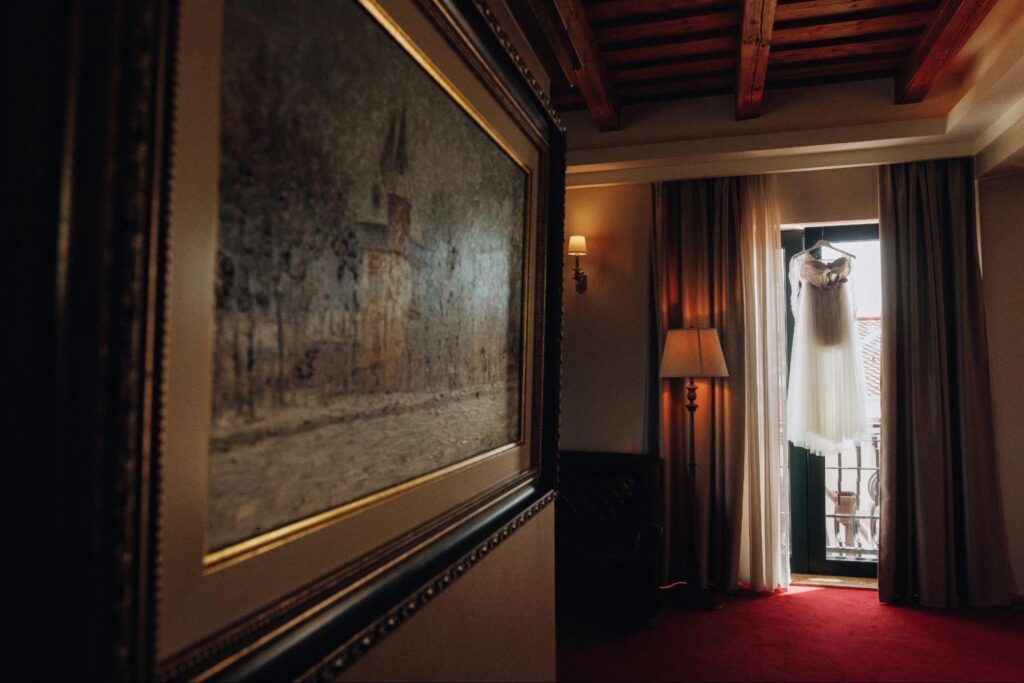
Image source: Freepik.com
Laminate Flooring
Installing laminate flooring offers another practical and cost-effective solution. It can mimic the look of wood while being easier to install and maintain. While it may not fully match the authenticity of real timber, it can still fit well within a period-style interior when chosen carefully.
For homeowners working within a budget, laminate provides a balance between style and affordability while supporting basic maintenance of flooring needs.
Carpet for Victorian Homes
Carpet is particularly suitable for bedrooms and living areas where comfort is a priority. Traditional carpets in deeper tones or patterned designs can enhance the warmth and character of the space while aligning with classic victorian style flooring approaches.
When combined with timber or tiled areas, carpets can become one of the most versatile victorian flooring ideas, allowing layering and texture.
Selecting the right flooring ultimately depends on the condition of the subfloor, the room’s function, and the desired aesthetic. The focus should always be on achieving a balance between authenticity, practicality, and long-term performance.
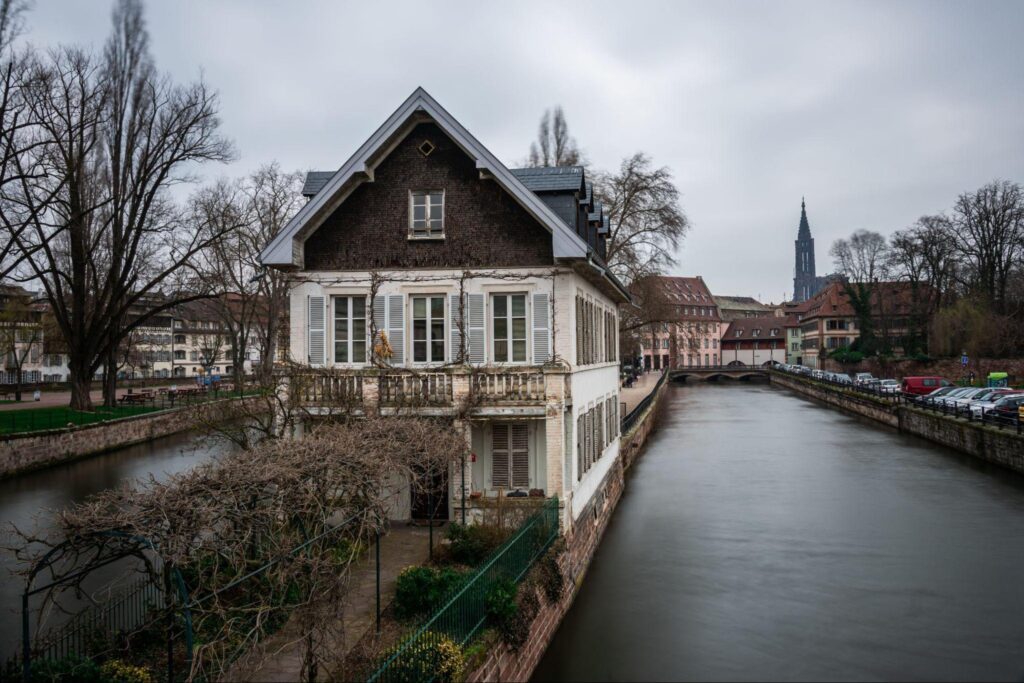
Image source: Freepik.com
What Do Regulations Have to Say About Flooring in Period Homes
When working with period properties in Ireland and the UK, flooring is influenced by planning laws, building regulations, and heritage protection rules. This is especially important in a Victorian home renovation, where changes to floors can affect both the structure and the character of the property.
In Ireland, the main legal framework is the Planning and Development Act 2000, which governs protected structures and architectural heritage. If a home is listed as a protected structure, any changes that affect its character, including flooring, may require planning permission.
Owners of protected buildings are legally required to preserve key features of the property, which can include original timber floors, tiles, or layouts. This means that replacing floors with modern materials may not always be allowed, especially if it affects the historical integrity of the home.
In addition to planning law, Irish Building Regulations (1997–2024) apply when carrying out material alterations, ensuring that flooring meets standards for safety, moisture control, and structural performance.
In the UK, similar rules apply through listed building legislation and national building regulations. If a property is listed, any significant internal changes, including flooring, may require listed building consent before work begins.
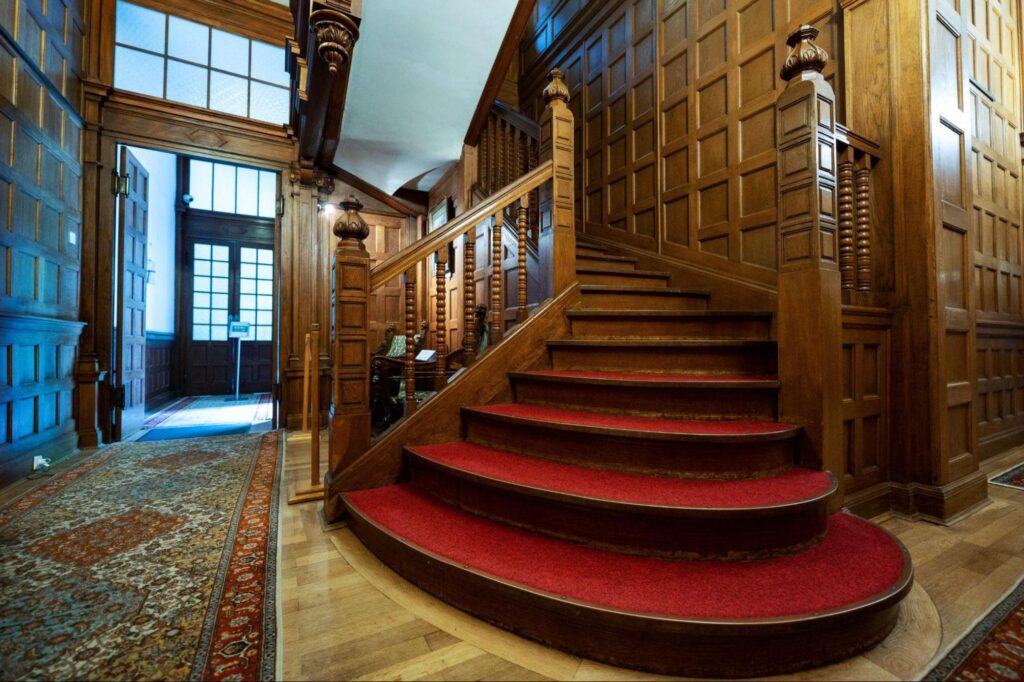
Image source: Freepik.com
UK Building Regulations set clear performance standards for flooring through several Approved Documents such as:
- Part A (Structure) ensures floors are stable and load-bearing;
- Part C (Site Preparation and Resistance to Moisture) requires protection against dampness and moisture ingress to prevent damage and health risks;
- Part L (Energy Efficiency) sets insulation standards for floors, meaning flooring in period homes must balance structural integrity, moisture control, and thermal performance.
These regulations do not limit design creativity, but they do influence material choices. For example, when selecting flooring options for entryways, traditional tile patterns or restored timber are often preferred in period homes to maintain visual consistency.
At the same time, homeowners may still choose easy to maintain flooring solutions, provided they do not compromise the building’s character or structural behaviour.
Flooring in period homes must balance three elements: regulatory compliance, historical authenticity, and practical use.
Before making any changes, it is always advisable to check whether the property is protected and to consult professionals who understand both conservation requirements and modern flooring systems.
What to Avoid in Old Houses
When renovating period homes, flooring choices should be made with care. Following trends is fun, but not all materials or styles work well with older structures or the character of the property. Making the wrong decisions can affect both the performance of the floor and the overall look of the space.
One of the most common mistakes is installing completely impermeable flooring over traditional breathable subfloors. Many older Irish homes rely on natural airflow beneath timber floors to manage moisture. Sealing these floors with modern materials without proper preparation can trap dampness and lead to long-term structural issues.
One of the most important flooring installation tips is to understand how the original floor was designed to function before introducing new materials.
Another issue is choosing flooring that clashes with the architectural style of the home. Period properties are defined by their proportions, materials, and finishes, so overly contemporary choices can feel out of place.
While blending old and new can work, it requires balance. Poorly executed modern Victorian decor can create a visual disconnect.
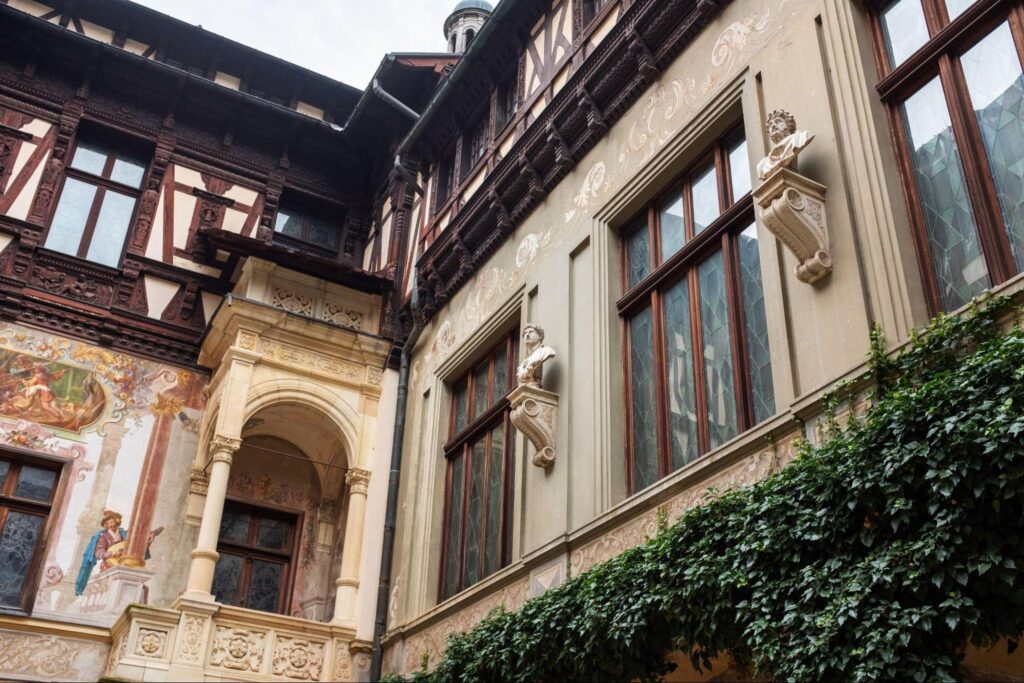
Image source: Freepik.com
Highly saturated or overly bold finishes can also disrupt the natural character of period interiors. For example, vibrant color carpets may overpower original features such as fireplaces, mouldings, or timber details.
In most cases, more muted tones and classic patterns are better suited to maintaining a cohesive and timeless look.
Another mistake is ignoring uneven subfloors or underlying structural problems. Installing new flooring without addressing these issues can lead to premature wear, movement, or visible defects.
While budget considerations are important, selecting flooring that is incompatible with the building can result in higher maintenance and repair costs over time.
Moisture & Insulation Considerations
Moisture and insulation are two of the most important factors to consider when upgrading flooring in period homes. Older Irish properties were typically built with breathable materials and natural ventilation in mind. Any new flooring must work with this system rather than against it to avoid long-term damage.
Moisture can enter the home from the ground, through walls, or from daily activities such as cooking and heating. Without proper management, it can become trapped beneath flooring layers, leading to rot, mold, and deterioration of the subfloor.
This is especially important when installing new finishes over timber structures, where airflow beneath the floor is essential for maintaining a healthy balance.
Image source: Freepik.com
Insulation is equally important, particularly in older homes where heat loss through floors can be significant. Improving insulation can enhance comfort and energy efficiency, but it must be done carefully. Adding modern insulation materials without considering ventilation can restrict airflow and increase the risk of moisture buildup.
Natural materials such as timber or breathable underlays tend to perform better in period homes, as they allow moisture to move and evaporate naturally. When paired with appropriate finishes, they can create a comfortable and durable surface while maintaining the structural integrity of the building.
Moisture and insulation considerations do not limit aesthetic choices. Well-selected flooring can still achieve timeless elegance while performing effectively in a traditional structure. In living rooms, decorative rugs can add warmth, improve comfort underfoot, and help regulate surface temperature without interfering with the underlying floor system.
Frequently Asked Questions
Which type of flooring is best for a home?
There is no single best option for every home. The right choice depends on the property type, room use, and budget. In period homes, hardwood flooring is often preferred for its durability and timeless look.
What type of flooring is best for an unheated sunroom?
For unheated spaces, flooring must handle temperature changes and potential moisture. Tile and high-quality luxury vinyl are good options because they are stable and resistant to expansion or warping. Natural wood is less suitable unless properly treated.
Is vinyl flooring cheaper than tile?
In most cases, yes. Vinyl flooring is generally more affordable both in material and installation costs. It is also quicker to install, making it a popular budget-friendly flooring option, while tile tends to be more expensive due to materials and labour.
What flooring never goes out of style?
Classic materials such as hardwood flooring and traditional patterned tiles remain timeless. These options work well in both modern and period interiors.