
Electrical safety zones are defined areas in a bathroom that determine where electrical equipment can safely be installed based on proximity to water.
In Ireland and the UK, bathrooms are divided into zone 0, zone 1, and zone 2 (with zone 3 referenced in older guidance).
Each zone requires different levels of protection against moisture and electric shock. The closer the zone is to the bath or shower, the stricter the safety requirements and the higher the required ingress protection rating for electrical fixtures.
What Are Electrical Safety Zones?
Electrical safety zones are designated areas in a bathroom that define where electrical equipment can safely be installed. These bathroom zones exist because bathrooms combine water and electricity, which increases the risk of electric shock if installations are not properly protected.
Regulations in both Ireland and the UK use these zones to determine what types of electrical fixtures, lighting, and appliances are allowed in different parts of the room, based on their proximity to water sources.
The zones are divided into specific areas known as bathroom zone 0, bathroom zone 1, bathroom zone 2, and in older classifications bathroom zone 3. Each zone has its own rules regarding the level of electrical safety and the required ingress protection (IP rating) for equipment installed there.
The closer a fixture is to water, the higher the protection rating must be to prevent water from entering electrical components.
Here are the zones explained in short:
- Bathroom zone 0 refers to the interior of a bath or shower basin. This is the area most exposed to water, so only equipment specifically designed for immersion is permitted. Electrical devices installed here must have a very high ingress protection rating and operate at low voltage to reduce risk.
- Bathroom zone 1 covers the area directly above the bath or shower up to a height of approximately 2.25 metres from the floor. Fixtures used in this zone must be specially rated for damp conditions. For example, zone 1 bathroom lights and a zone 1 bathroom extractor fan must have appropriate IP ratings to ensure they remain safe even when exposed to splashing water or steam.
- Bathroom zone 2 extends outward from the edge of the bath or shower, typically around 600 mm horizontally. Electrical equipment installed here still needs moisture protection but the requirements are slightly less strict than in zone 1. Typical examples of zone 2 fixtures include certain lights, fans, or sockets that meet the required ingress protection rating.
- The term bathroom zone 3 was used in older regulations to describe areas further away from water sources. While many modern standards have simplified the zoning system and removed zone 3, the concept still appears in older guidance and installations.
Understanding these bathroom zones is essential when planning bathroom lighting, bathroom ventilation, or electrical outlets. Correct placement of fixtures and appropriate ingress protection ratings help ensure that electrical installations remain safe in a space where water exposure is unavoidable.
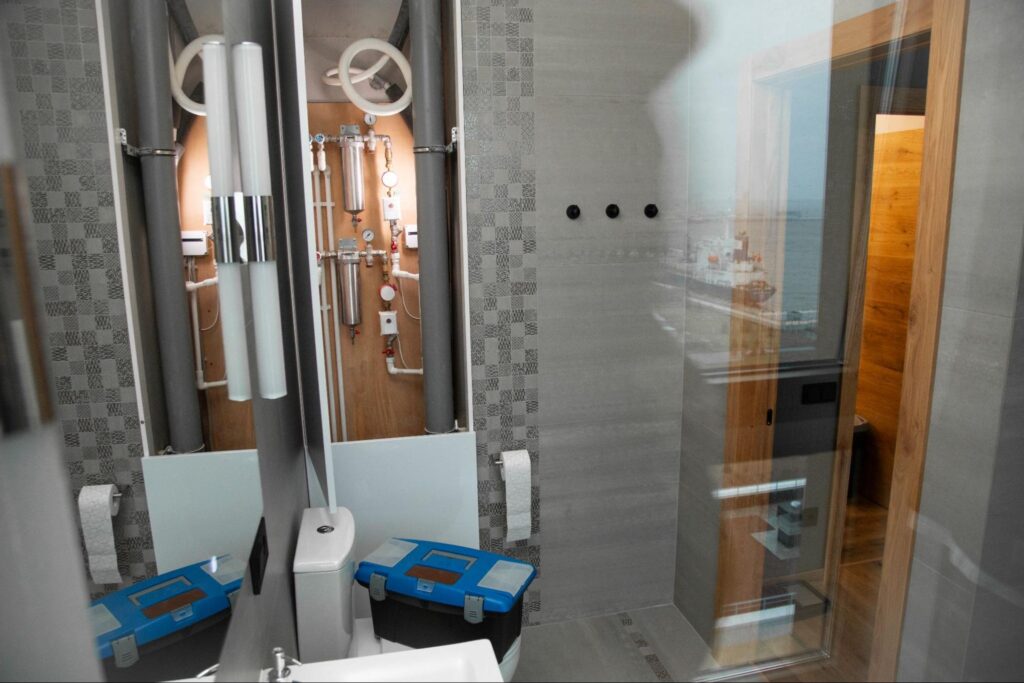
Image source: Freeepik.com
IP Ratings Explained Simply
IP ratings relate to how well an electrical device prevents things from getting inside it. This is especially important when it comes to water, dust, moisture and small solid particles.
So when we talk about Ingress Protection, we are talking about how protected the device is from external elements entering the electrical components.
When electrical equipment is installed in bathrooms, it must meet specific ip ratings. Bathrooms contain high risk areas where water, steam, and condensation are present. The goal is simple – prevent electric shock.
An IP rating, or Ingress Protection rating, consists of two numbers. The first number indicates protection against solid objects such as dust, while the second number indicates protection against water.
The higher the second number, the better the protection against moisture. For example, water resistant fixtures with a rating such as IP44 are protected against splashing water, while higher ratings such as IP67 provide protection against immersion in water.
Legislation and Regulations
In the UK, electrical installations in bathrooms must follow the BS 7671 IET Wiring Regulations, currently the 18th Edition (BS7671:2018+A3:2024). These regulations define the electrical safety rules for bathrooms, including zoning and the required protection levels for equipment.
Under these UK bathroom guidelines, each zone requires a minimum level of water protection. For example:
- Zone 0 (inside the bath or shower) requires devices rated at least IPX7, which means protection against immersion in water. Only low voltage lighting or SELV equipment is allowed here.
- Zone 1 (above the bath or shower up to 2.25 m) requires at least IPX4, which protects against water splashes. This zone may include lights or extractor fans designed for wet environments.
- Zone 2 (0.6 m around the bath or shower) also requires at least IPX4, meaning fittings must be resistant to splashes and humidity.
Ireland follows similar electrical safety principles through national wiring rules based on European standards, meaning the same zone specific requirements and minimum IP rating logic generally apply to bathroom installations.
Choosing the Right Fixtures
Ip ratings will help you select bathroom lighting, fans, and other electrical fittings. In the most exposed locations, such as inside a shower tray, only highly protected devices such as submersible lighting are permitted.
In areas further from direct water exposure, installers can use splash-proof products such as IP44 or IP65 rated water resistant fixtures.
Choosing equipment with the correct IP rating ensures compliance with electrical regulations while protecting occupants from electrical hazards.
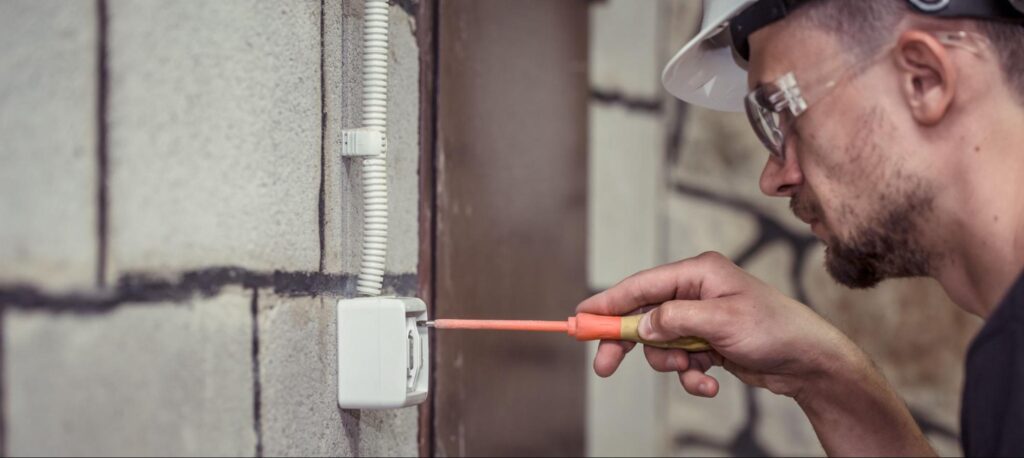
Image source: Freeepik.com
Common Electrical Mistakes in Bathroom Renovations
Bathrooms contain water, steam, and condensation, which means electrical systems must follow strict bathroom safety standards. When these rules are not properly considered, the result can be unsafe installations or systems that fail to perform reliably over time.
One of the most frequent common mistakes in bathroom zones involves installing electrical equipment in the wrong area. Lights, fans, or switches are sometimes placed too close to showers or bathtubs without meeting the required IP rating for that zone.
Another common issue involves choosing fixtures based only on appearance rather than safety requirements. Many homeowners select decorative lighting or fittings that are not designed for humid environments. Bathrooms require suitable fixtures that are specifically rated for moisture exposure.
Poor planning of ventilation equipment is also a recurring problem. Extractor fans or electrical heaters may be installed without considering zoning restrictions or adequate moisture protection.
Older homes may have wiring systems that were not designed to support modern electrical loads. When new lighting, fans, or heating elements are added without upgrading the electrical system, the result can compromise long term reliability and increase the risk of electrical faults.
Many of these problems occur when electrical work is treated as a minor part of the renovation rather than an essential safety component. Following professional installation advice and involving qualified electricians from the planning stage helps ensure that electrical installations meet safety and performance requirements.
Bathroom design safety depends on careful planning, correct fixture selection, and compliance with electrical standards.

Image source: Freeepik.com
When You Need a Registered Electrician in Ireland
Bathroom electrical work is not an area where shortcuts are acceptable. Because bathrooms combine water, electricity, and confined spaces, many types of electrical installations must be carried out by a qualified professional to meet electrical safety requirements.
In Ireland, any significant electrical work should be performed by a registered electrical contractor who is authorised to certify that the installation complies with national wiring rules.
Professional electricians also ensure that suitable fixtures are installed in the correct bathroom zones and that all connections are protected from moisture exposure.
Working with experienced licensed contractors like IVCG helps ensure that every element of the electrical installation supports both safe operation and durable performance.
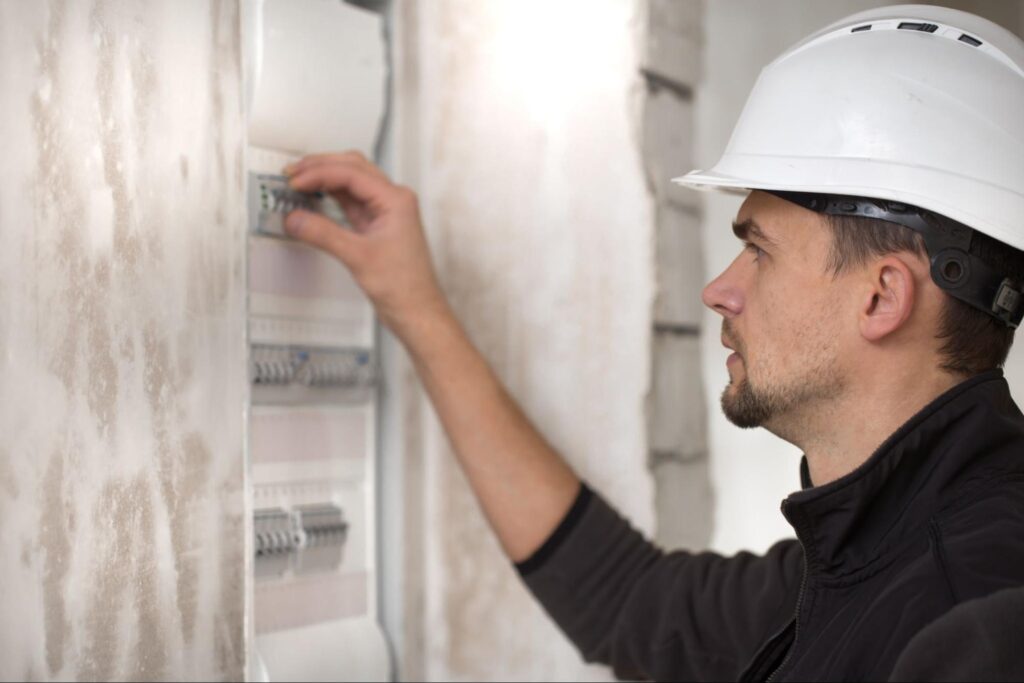
Image source: Freeepik.com
Can You Install Heated Flooring in a Bathroom?
Heated flooring can be safely installed in a bathroom, but it must be designed and installed according to electrical safety regulations and the defined bathroom zones. Underfloor heating systems are popular in modern bathroom renovations because they provide comfortable warmth, improve energy efficiency, and eliminate the need for bulky radiators.
Electric underfloor heating systems used in bathrooms are typically installed beneath tiles or other moisture-resistant flooring materials. The heating cables or mats are sealed within protective layers that prevent water contact and ensure safe operation even in humid environments.
Careful placement of controls and thermostats is also important. The electrical control components must be located outside restricted bathroom zones to comply with safety regulations. This helps maintain proper bathroom design safety and protects users from electrical hazards.
Underfloor heating is often installed alongside other comfort features such as heated towel rails, which help warm the room while also keeping towels dry. These systems can significantly improve comfort and reduce condensation by helping moisture evaporate more quickly from bathroom surfaces.
As with any electrical system in a bathroom, installation should always be carried out by a qualified professional.

Image source: Freeepik.com
Frequently Asked Questions
Is it safe to have an outlet in a bathroom?
Yes, but it must follow strict bathroom electrical regulations. In Ireland and the UK, standard electrical outlets are generally not permitted close to baths or showers. Instead, special shaver sockets or outlets located outside the defined bathroom zones may be installed.
Where to place electrical outlets in a bathroom?
Electrical outlets should be placed outside the defined bathroom zones, typically at least 3 metres away from the edge of a bath or shower in many layouts. This helps reduce the risk of contact between water and electricity.
What is the golden rule for bathroom layouts?
The golden rule is to keep water sources and electrical fixtures safely separated. Proper planning ensures users are protected from electrical hazards.
What IP rating is required for bathroom lights?
The required IP rating depends on the bathroom zone. For example, lights in zone 1 typically require at least an IPX4 rating to protect against water splashes, while fittings inside a shower or bath area (zone 0) require higher protection, such as IPX7.
Do all bathroom electrical installations require a qualified electrician?
Most electrical work in bathrooms should be carried out by a qualified professional. A registered electrician ensures the work complies with national wiring rules and maintains proper electrical safety in wet environments.